
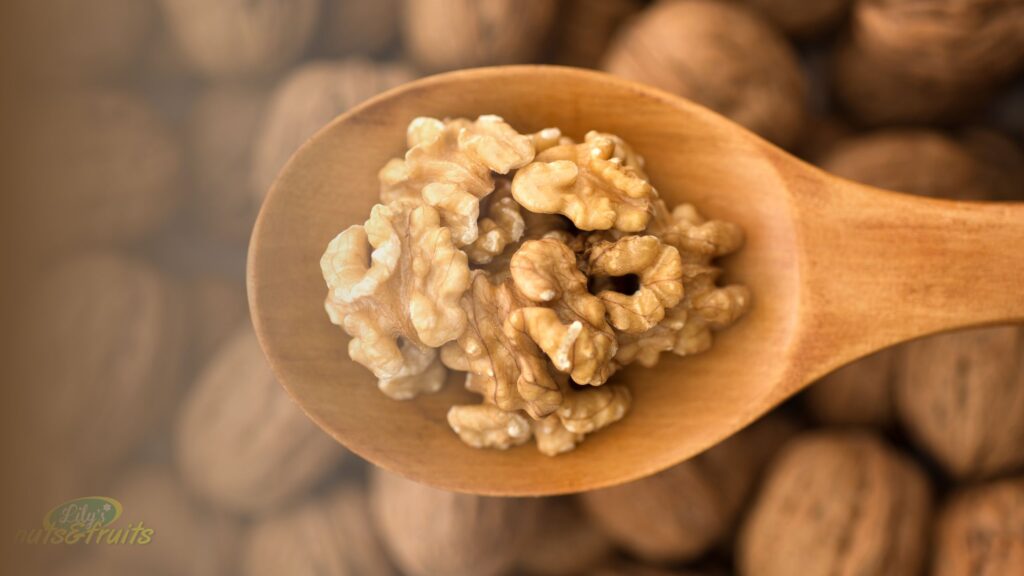
With exam season in full swing across Abuja, walnut benefits deserve a closer look — especially if you’re a student, parent, or professional trying to stay sharp under pressure. Few snacks combine brain support and heart health quite like the walnut, and the science behind it goes far beyond folklore about its brain-shaped kernel. At Exotic Nuts & Fruits, we’ve spent seven years helping families discover which nuts genuinely earn their spot in a daily routine, and walnuts consistently top that list.
 What Are the Main Health Benefits of Walnuts?
The core walnut benefits center on brain function, heart protection, and reduced inflammation, largely thanks to a nutrient walnuts carry more of than any other common nut: plant-based omega-3 fatty acids. Additionally, walnuts pack more antioxidant activity than most tree nuts, giving them a wellness edge that’s hard to match.
1. Brain and Cognitive Support
Walnuts are rich in alpha-linolenic acid, a plant-based omega-3, along with polyphenols that researchers consider important “brain foods” for countering oxidative stress and inflammation — two processes linked to cognitive decline. In fact, a two-center randomized trial studying older adults found encouraging, though not fully conclusive, signs that regular walnut consumption may help protect cognitive function over time, particularly in higher-risk groups. For students grinding through exam season, this steady, evidence-based edge matters more than any energy drink. You can read more in this NIH-published review of walnuts and brain health.
2. Memory and Focus Under Pressure
Beyond long-term cognitive protection, some human clinical research has linked walnut consumption to better short-term cognitive performance and improved memory compared to baseline. As a result, a handful of walnuts before a study session or exam is a genuinely science-backed habit, not just a wellness trend.
How Many Walnuts Should You Eat Per Day?
A practical daily serving of walnuts is about one ounce, or roughly 7 whole walnuts (14 halves), which is enough to capture the key walnut benefits without excess calorie intake. Since walnuts are calorie-dense, consistency in portion size matters more than eating large amounts occasionally.
Daily Serving Guide
| Serving Size | Approx. Calories | Omega-3 (ALA) | Plant Protein |
|---|---|---|---|
| 1 ounce (~7 walnuts) | 185 kcal | 2.5g | 4g |
| 2 ounces (~14 walnuts) | 370 kcal | 5g | 8g |
| Quarter cup | 190–200 kcal | 2.6g | 4.5g |
However, if you’re a student cramming for exams, spacing a small serving into your morning routine tends to work better than one large handful eaten all at once.

Can Walnuts Support Heart Health and Reduce Inflammation?
Walnuts can meaningfully support heart health, largely because they’re the only common nut significantly high in omega-3 fatty acids, alongside a strong anti-inflammatory polyphenol profile. Regular walnut eaters tend to show improved markers linked to lower cardiovascular disease risk.
The Heart and Inflammation Connection
For instance, research has associated regular walnut consumption with reduced LDL (“bad”) cholesterol and lower vascular inflammation, both of which are risk factors for heart disease. Meanwhile, walnuts’ rich antioxidant and polyphenol content appears to work alongside their fat profile to protect blood vessels over time. Therefore, walnuts function less like an occasional treat and more like a small daily investment in long-term heart health. For a deeper dive into the full research picture, Healthline’s guide to walnut health benefits is a solid resource.
Busting the “All Nuts Are the Same” Myth
A common misconception is that any nut delivers the same brain and heart benefits. In reality, walnuts stand apart specifically because of their unusually high omega-3 and polyphenol content — a combination not matched by almonds, cashews, or most other tree nuts.
What Nutrients Make Walnuts a Standout Superfood?
Walnuts carry a distinctive nutrient profile that sets them apart from other nuts in your pantry, which is exactly why walnut benefits show up so consistently across brain, heart, and inflammation research.
| Nutrient | Role in the Body |
|---|---|
| Omega-3 ALA | Supports brain function and reduces inflammation |
| Polyphenols | Provide antioxidant protection against cell damage |
| Plant Protein | Supports muscle repair and sustained energy |
| Magnesium | Aids nerve function and energy metabolism |
| Vitamin E | Protects cells from oxidative stress |
As a result, a consistent walnut habit contributes real, measurable support to two of the body’s most demanding systems — the brain and the cardiovascular system — at once. Additionally, because our walnuts are sourced fresh and stored properly, you get more of that nutrition intact than with nuts that have sat unsold for months.
Why Buy Your Walnuts From Exotic Nuts & Fruits
For seven years, Exotic Nuts & Fruits has been the trusted choice for premium, ethically-sourced nuts across Kubwa and greater Abuja, and our walnuts are selected with the same care as everything else on our shelves. When exam season or a demanding work season calls for real brain fuel, freshness and quality aren’t optional — they’re the whole point. You can shop premium walnuts here: https://exoticnutsandfruits.com/store/.
Ready to Stock Up on Brain Food?
Order online today or visit our Kubwa store to keep your family — or your students — fueled through exam season with real, science-backed brain food. Our exam-season walnut restock is here, but supply is limited as demand rises across Abuja schools and homes.
📍 Shop 23, Ecopie (Efobic) Plaza, Arab Road, Kubwa, Abuja — Google Maps 🕘 Open 9am–6pm, Monday to Saturday 💬 Order directly on WhatsApp: 0805254485 🌐 Or shop online: https://exoticnutsandfruits.com/store/