
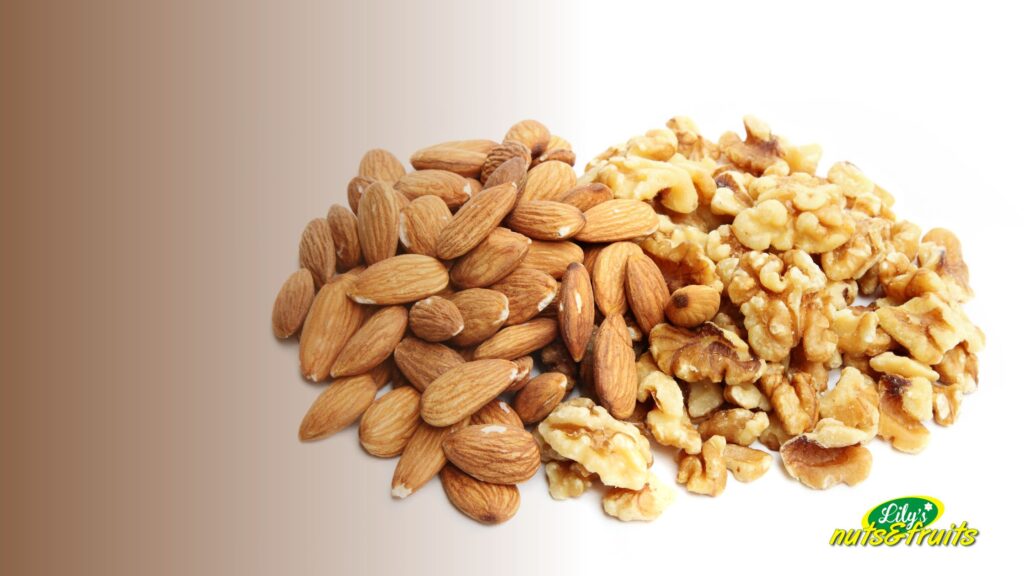
When it comes to eating for a healthy heart, nuts have long been celebrated as nutritional powerhouses. But two nuts often spark a silent debate among nutritionists and wellness enthusiasts alike: almonds vs walnuts.
In this post titled “Almonds vs Walnuts: The Heart-Health Battle No One Talks About,” we’ll uncover the truth behind these two nutrient-rich nuts. Which one is truly superior for cardiovascular health? Which offers better cholesterol control, and how can you include both for maximum benefit?
Get ready for a science-backed deep dive into this delicious debate that might just transform your daily diet — and protect your heart for life.
🩺 Which Is Better for Heart Health: Almonds or Walnuts?
Comparing nutrient profiles for a stronger heart
Both almonds and walnuts are champions when it comes to promoting heart health, but their nutrient strengths differ slightly.
| Nutrient (per 28g) | Almonds | Walnuts |
|---|---|---|
| Calories | 164 | 185 |
| Total Fat | 14g (mostly monounsaturated) | 18g (mostly polyunsaturated) |
| Omega-3 Fatty Acids | 0 mg | 2,500 mg |
| Vitamin E | 7.3 mg (37% DV) | 0.7 mg |
| Magnesium | 76 mg (19% DV) | 44 mg |
| Protein | 6g | 4g |
| Fiber | 3.5g | 2g |
(Figure 1: Nutritional comparison — almonds vs walnuts)
-
Almonds shine in vitamin E and magnesium — nutrients that protect blood vessels and regulate heart rhythm.
-
Walnuts dominate with omega-3 fatty acids (ALA), which lower triglycerides and reduce inflammation — crucial for cardiovascular protection.
In short, walnuts are the “omega-3 kings” of the nut world, while almonds are the “vitamin E shields” that guard your arteries.
❤️ How Do Almonds and Walnuts Improve Heart Health?
The science of how each nut supports the cardiovascular system
Your heart thrives on nutrients that reduce cholesterol, lower inflammation, and improve blood flow — all of which both almonds and walnuts deliver.
Almonds: The Cholesterol Fixer
Almonds contain monounsaturated fats that lower LDL (bad cholesterol) and raise HDL (good cholesterol).
-
A study published by Harvard Health Publishing found that almond-rich diets reduce total cholesterol by up to 15%.
-
Their magnesium content helps regulate blood pressure and prevent plaque buildup.
Walnuts: The Anti-Inflammatory Protector
Walnuts contain alpha-linolenic acid (ALA), a plant-based omega-3 that fights inflammation and prevents artery stiffness.
-
According to Healthline, regular walnut consumption improves endothelial function — meaning blood vessels stay flexible and less prone to blockages.
Quick Takeaway: Almonds strengthen arteries and stabilize cholesterol; walnuts calm inflammation and improve circulation. Together, they form the ultimate heart-protective combo.
🧠 Do Walnuts Offer More Heart Benefits Than Almonds?
Omega-3s: The decisive factor for heart health
If we had to crown one winner for the heart, walnuts take the lead — thanks to their powerful omega-3 fatty acids.
Omega-3s are essential fats your body can’t produce on its own. They reduce triglycerides, prevent irregular heartbeats, and protect against heart attacks.
| Heart Function | How Walnuts Help |
|---|---|
| Reduces inflammation | Omega-3 ALA and polyphenols |
| Lowers triglycerides | Improves lipid metabolism |
| Prevents clots | Reduces platelet aggregation |
| Enhances vessel flexibility | Improves nitric oxide production |
(Figure 2: Heart-health benefits of walnuts)
A 2021 study from the American Heart Association found that participants who ate five or more servings of walnuts weekly had a 25% lower risk of cardiovascular disease compared to non-nut eaters.
💓 Are Almonds Better for Cholesterol and Blood Pressure?
Why vitamin E and magnesium matter for your heart
While walnuts rule in omega-3s, almonds shine in antioxidant power. Vitamin E protects LDL cholesterol from oxidation — a major trigger for heart attacks.
Additionally, magnesium in almonds relaxes blood vessels and regulates heartbeat rhythm.
According to WebMD, eating a handful of almonds daily can significantly lower LDL cholesterol and blood pressure in as little as six weeks.
| Heart Health Marker | Effect of Almonds |
|---|---|
| LDL cholesterol | ↓ 10–15% reduction |
| Blood pressure | ↓ 5–10 mmHg |
| Arterial stiffness | ↓ Improved flexibility |
| HDL cholesterol | ↑ 5% increase |
(Figure 3: Almonds’ direct impact on heart health markers)
Pro Tip: Combine almonds with fruits like oranges or strawberries for a vitamin C–E antioxidant duo that protects your heart naturally.
🍽️ How Many Almonds or Walnuts Should You Eat Daily for Heart Health?
Finding the perfect heart-healthy portion
Portion control is key — nuts are nutrient-dense, but too many can add extra calories.
-
Almonds: 20–23 nuts (1 ounce or 28 grams) daily
-
Walnuts: 5–7 whole nuts (about 28 grams) daily
| Nut Type | Serving Size | Daily Selenium or Fat Intake % | Heart Benefit |
|---|---|---|---|
| Almonds | 23 nuts | 20% vitamin E | Lowers LDL cholesterol |
| Walnuts | 7 halves | 100% omega-3 need | Reduces inflammation |
(Figure 4: Recommended serving for optimal heart health)
You can also alternate between both to enjoy balanced heart nutrition all week long.
Example:
Monday, Wednesday, Friday — Eat walnuts for omega-3s.
Tuesday, Thursday, Saturday — Eat almonds for vitamin E and magnesium.
🩸 Can Almonds and Walnuts Prevent Heart Disease?
Combining both for long-term protection
Absolutely! The best strategy isn’t choosing one over the other — it’s combining both.
Together, almonds and walnuts provide a full spectrum of heart-protective nutrients:
-
Omega-3s (walnuts) reduce inflammation and clotting.
-
Vitamin E (almonds) prevents cholesterol oxidation.
-
Magnesium (almonds) regulates heart rhythm.
-
Polyphenols (walnuts) protect arteries from damage.
When consumed together, they act like a natural “heart insurance plan” — repairing, nourishing, and protecting your cardiovascular system at once.
🧘🏾♀️ Other Health Benefits Beyond the Heart
Whole-body wellness from two supernuts
Both almonds and walnuts benefit your entire body, not just your heart.
| Health Area | Almond Benefit | Walnut Benefit |
|---|---|---|
| Brain | Improves memory | Boosts cognition |
| Skin | Vitamin E glow | Anti-aging protection |
| Weight | Aids fat loss | Reduces cravings |
| Immunity | Strengthens defense | Fights inflammation |
(Figure 5: Broader wellness benefits)
Including both in your diet ensures your heart and body stay young, strong, and resilient.
🥗 Easy Ways to Add Almonds and Walnuts to Your Heart-Healthy Diet
| Meal | How to Include Almonds | How to Include Walnuts |
|---|---|---|
| Breakfast | Add chopped almonds to oats | Blend walnuts into smoothies |
| Snack | Eat roasted almonds on the go | Combine with dates or raisins |
| Lunch | Toss almond slices in salads | Mix walnuts into jollof rice |
| Dinner | Add almond butter to veggies | Sprinkle walnut bits on soup |
(Figure 6: Delicious and simple heart-healthy ideas)
These simple habits make it easy to boost heart nutrition every single day.
🛒 Where to Buy Premium Almonds and Walnuts in Abuja
For freshness, crunch, and heart-boosting power, nothing beats Exotic Nuts and Fruits — Abuja’s trusted source for natural nuts and superfoods.
Our almonds and walnuts are:
-
100% natural (no additives or preservatives)
-
Freshly packed for maximum nutrient retention
-
Crunchy and flavorful — straight from premium sources
👉 Shop now: Exotic Nuts and Fruits Store
📍 Visit us: Shop 23, Ecopie (Efobic) Plaza, Arab Road, Kubwa, Abuja
🕘 Hours: 9am–6pm, Monday–Saturday
📍 Google Maps Link
⚡ Hurry! Premium almond and walnut stocks are seasonal — order yours before supplies run out.
❤️ Final Thoughts: The Verdict in the Heart-Health Battle
When it comes to heart health, there’s no clear loser — just two champions with unique strengths:
-
Almonds lower cholesterol and stabilize blood pressure.
-
Walnuts fight inflammation and protect against heart attacks.
For the best results, don’t choose between them — enjoy both! Together, they form a nutritional alliance that keeps your heart young, strong, and unstoppable.
One handful a day can change your heart’s future — so start today with fresh, premium nuts from Exotic Nuts and Fruits.